
Find Out What Flight Training Could Mean for You
Flight training looks different for each student, so we take a modular approach to flight training, so you get what you need, and don’t pay for ratings you won’t use. Below, you can read about each of our training programs that build on top of each other, letting you choose which programs you want to use.
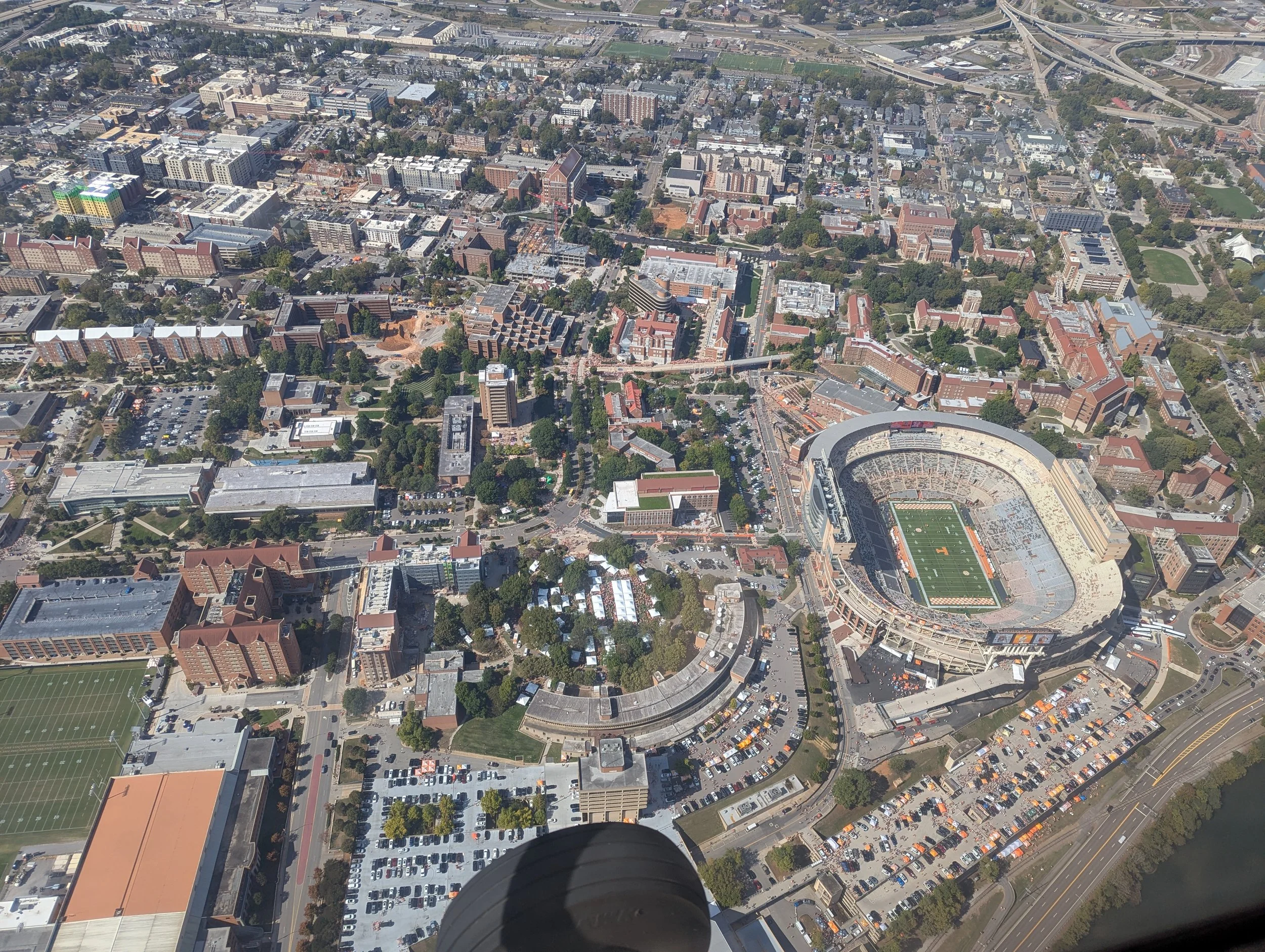
Flying for Fun
If you’re looking to get into aviation to fly yourself, or maybe some family or friends, for recreational purposes, what you’re probably looking for is a private pilot certificate. Private pilots can fly for non-commercial purposes on days in fair weather conditions, making it an approachable goal for student pilots with limitations that make sense for the recreational flier. If you want to be able to fly into the clouds, you can also add on an instrument rating.
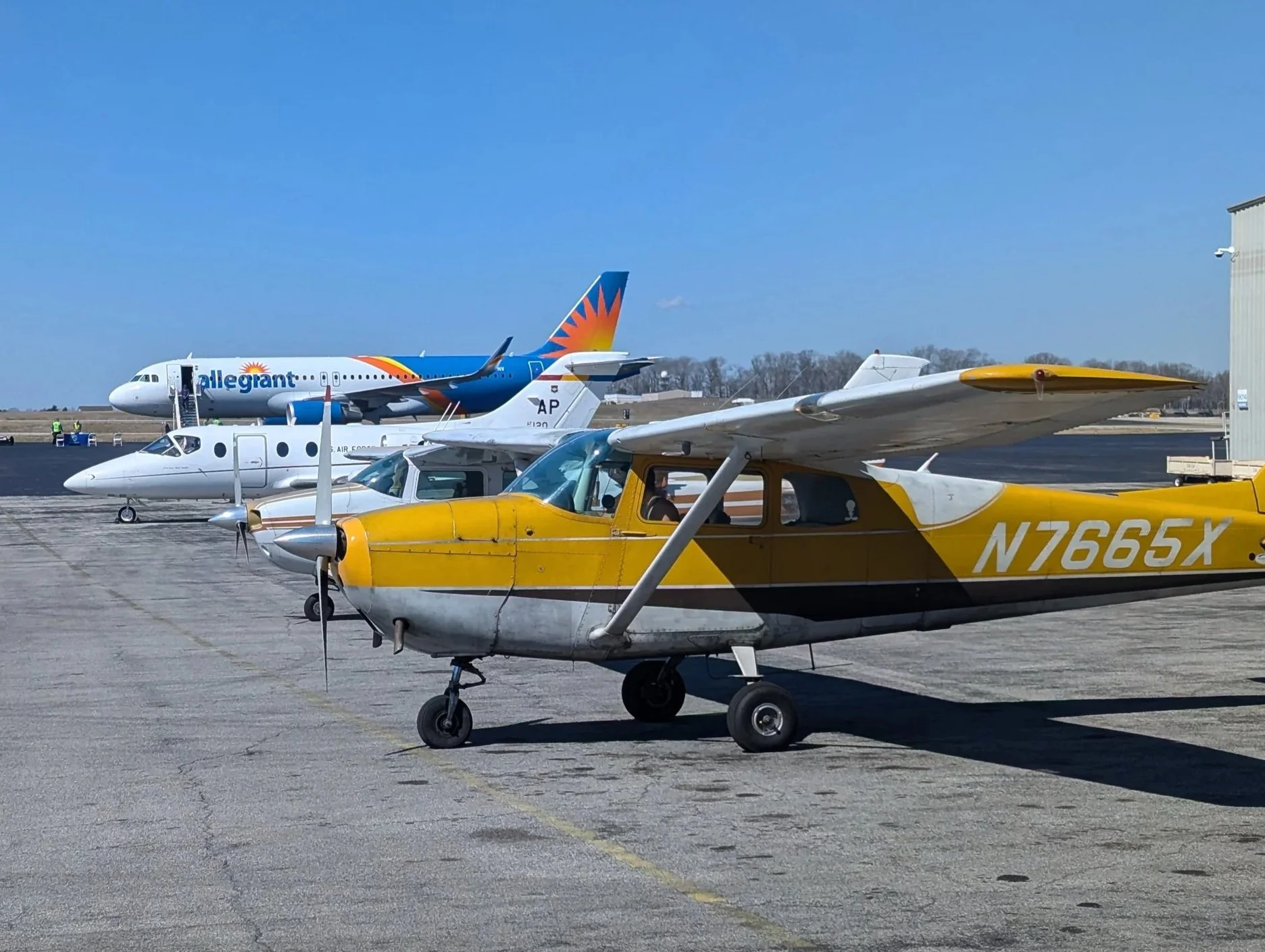
Flying for a Career
Flying can be an extremely rewarding career path, and a passion for aviation that can last a lifetime is what we strive to foster in each one of our students. No matter if you want to fly for the airlines, a charter company, or be a contract pilot, most aspiring professional pilots are best served by pursuing a commercial pilot certificate with an instrument rating, and optionally a flight instructor certificate.
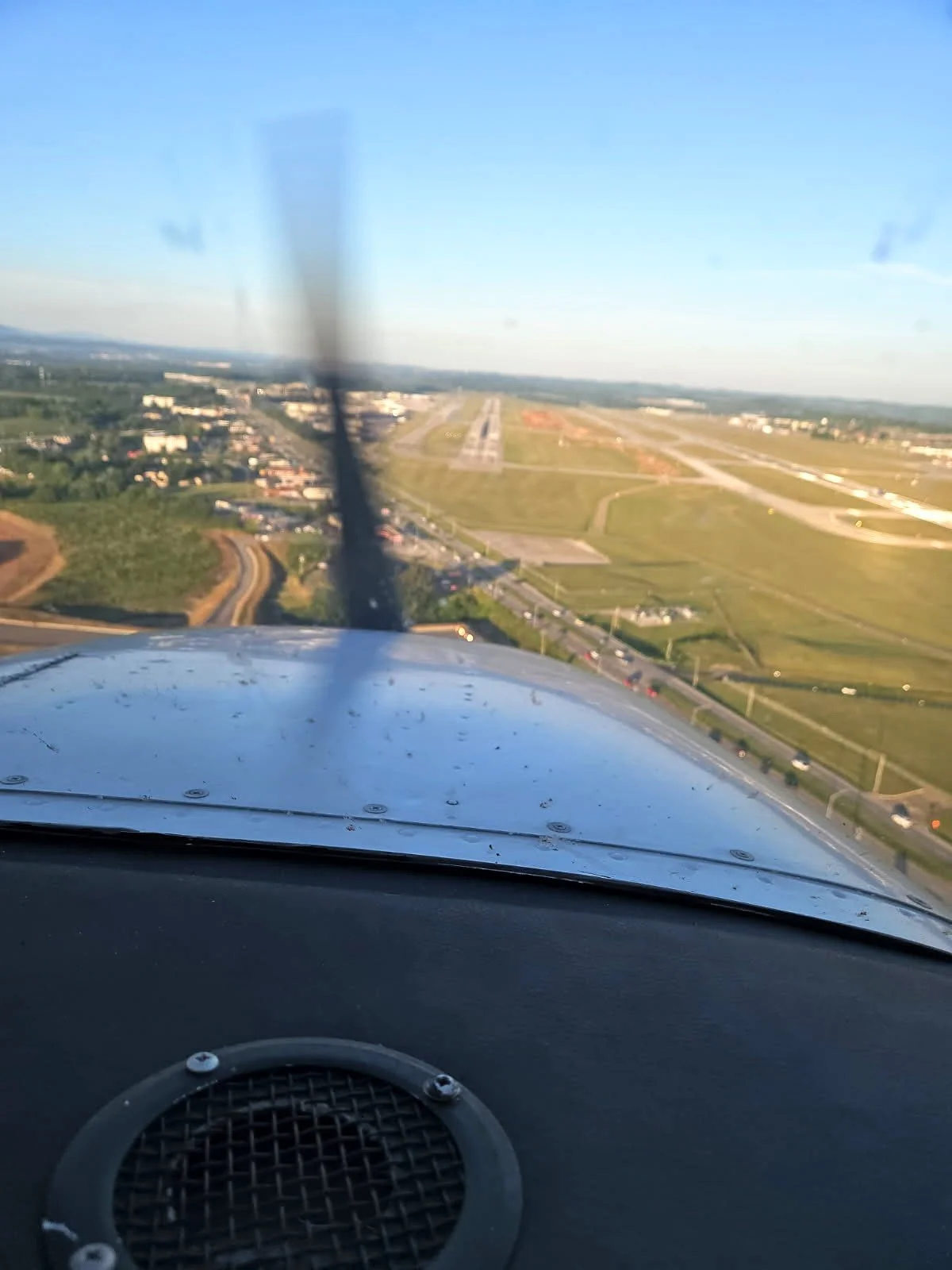
Staying Proficient
Ask any pilot, and they’ll tell you that any good pilot is always learning. AVZ has several programs that can help already rated pilots stay proficient and expand their skills. Our rusty pilot program can help you safely return to the cockpit if you haven’t flown for a few years. We use the FAA’s WINGS program to help active pilots develop ongoing training plans to stay proficient on an ongoing basis, and we of course offer flight reviews and instrument proficiency checks. These services are not listed below, please reach out to us for more information about them.
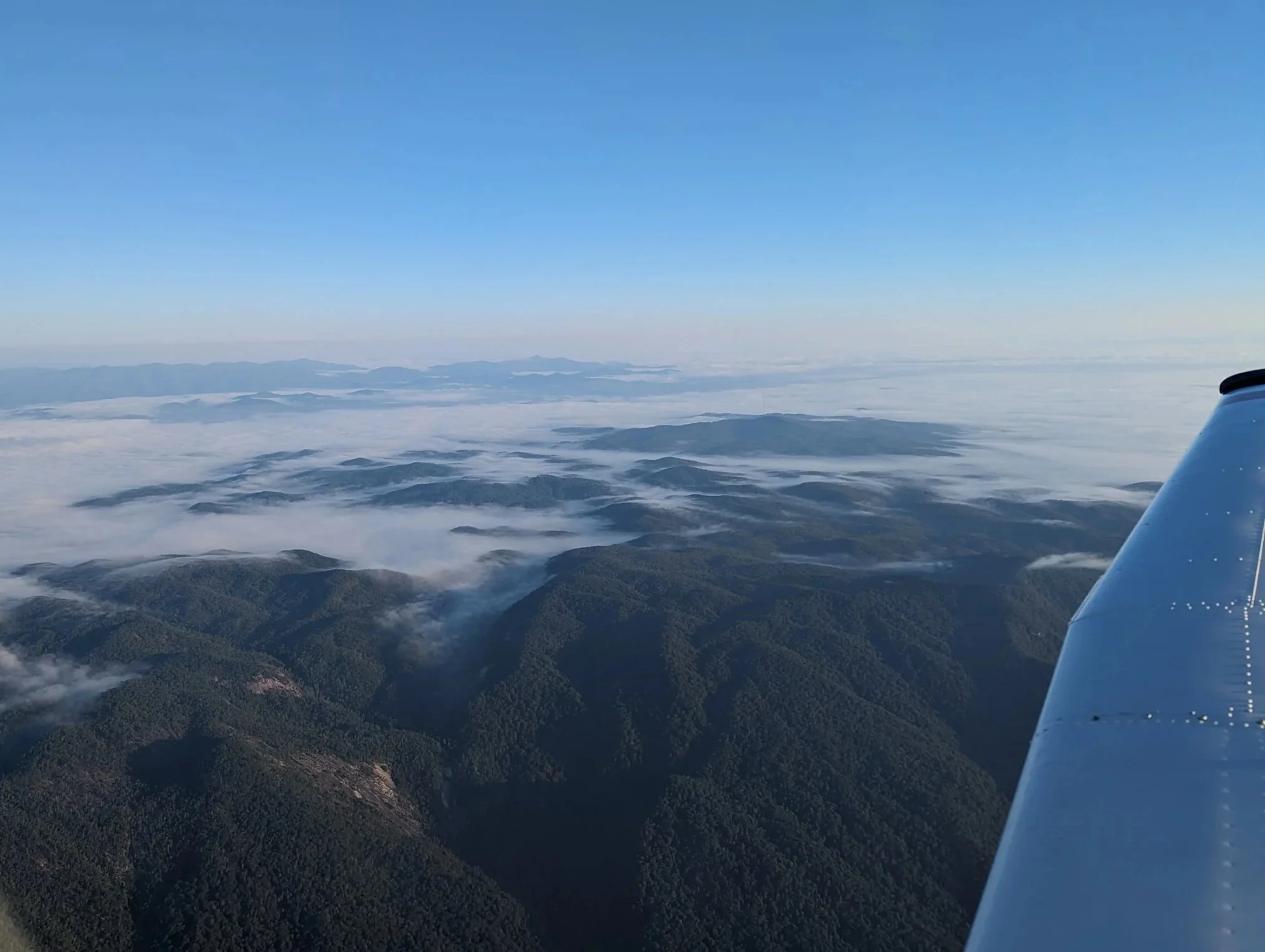
Getting Started: Book a Discovery Flight
Whether you’re ready to start training now, or you still don’t know if flying is right for you, a great first step to take is taking a discovery flight. On your discovery flight, you’ll get your first experience at the controls of an airplane under the supervision of one of our professional flight instructors. It’s a great experience, and a way to felp you decide if flight training is for you—without any commitments.
Private Pilot
Regardless of what you want to get out of aviation, your first step will likely be getting your private pilot certificate. In this program, you will learn all that you need to know to fly an airplane on your own, getting experience flying the airplane solo, as well as flying to other airports and at night, among other requirements. For some, the private pilot certificate is the goal in and of itself, while for others it is the gateway to more advanced training that can present all new challenges.
-
Private Pilot Certificate with Airplane Single Engine Land Rating
Fly anywhere you want, any time you want, for non-commercial purposes.
Acts as a stepping stone to the commercial pilot certificate
-
Be at least 17 years old by the end of training, at least 16 years old to solo.
Meet the FAA’s medical standards for flight (at least 3rd class medical certificate).
Read, write, and speak the english language.
U.S. citizenship is not a requirement, but non-U.S. citizens must undergo TSA screening.
-
Timeline and costs vary between students, sometimes by a large amount, based on many factors. The following figures are based on a running last-12-month average of students who completed this program at AVZ:
Average cost: $15,000
Average timeline: 5 months
-
Those who want to fly for fun
Career pilots as a prerequisite for commercial pilot certification
Instrument Rating
After becoming a private pilot, those who want to go further will most often seek an instrument rating, which allows a pilot to fly through the clouds. Learn to fly a whole new way in this exciting training program, which presents a whole new set of challenges to face. Once you try instrument flying, you’ll gain a whole new sense of what it means to be a pilot.
-
Fly through the clouds and low visibility conditions.
Fly under instrument flight rules, which is an essential skill and privilege for commercial pilots.
Fly into airspace above 18,000 feet above sea level.
For commercial pilots, get paid for longer flights and flights at night.
-
Hold at least a private pilot certificate.
-
Timeline and costs vary between students, sometimes by a large amount, based on many factors. The following figures are based on a running last-12-month average of students who completed this program at AVZ:
Average cost: $15,000
Average timeline: 5 months
-
Private pilots who want to be able to fly in a wider range of weather conditions, or are looking into flying aircraft capable of flying above 18,000 feet.
Career pilots, for whom instrument flying is the primary type of flying they will be doing professionally.
Commercial Pilot
For students who want to pursue aviation as a career, a commercial pilot certificate is a must-get. This certificate is an upgrade to the private pilot certificate, and allows a pilot to be paid for flying (subject to some limitations). Students in this program will learn about the regulations that govern professional pilots, what is expected of pilots when they are earning money, and refine their skills to a higher standard than they’ve been held to before.
-
Commercial Pilot Certificate with Airplane Single Engine Land Rating.
Get paid to fly! As a commercial pilot, you can fly for operations like charter companies, banner towing, pipeline patrol, etc.
If you already went through instrument training as a private pilot, your instrument rating will transfer to your new certificate.
-
Be at least 18 years old.
Hold at least a private pilot certificate (instrument rating recommended).
-
Commercial pilot training requires significant time building and solo flight, and as such we cannot give a single cost estimate. For the training, the average commercial pilot candidate takes 30 hours of training with an instructor. To get a better idea of how to estimate your costs, contact us.
-
Commercial pilot certification is primarily for those who want to fly professionally.
Flight Instructor
After becoming a commercial pilot, you must decide how you will make money as a pilot. Some choose to tow banners, or fly along oil pipelines to check for damage, or to do aerial survey work, but the most common route taken by new commercial pilots is to become a flight instructor. In this training program, you will learn not just to fly, but to teach. This program is very ground instruction-heavy, with topics ranging from the fundamentals of how we learn to technical areas of aviation that get into a whole new level of detail. When you’re an instructor, it’s important that you know what you’re talking about, and we’re here to give you all of tools you need to be a great flight instructor.
-
Flight Instructor Certificate with Airplane Single Engine Rating
Teach others to fly! As a flight instructor, you have a wide range of privileges and responsibilities to teach the next generation of pilots.
-
Be at least 18 years old.
Hold at least a commercial pilot certificate.
Have an instrument rating for airplanes.
-
Flight Instructor Costs and timelines vary widely, so we cannot give a meaningful estimation for either. You should discuss estimations your your specific case with your instructor.
-
People who want to teach others to fly.
People who want to build flight time and experience in order to qualify for other flying jobs.
Instrument Flight Instructor
Becoming a flight instructor is a huge accomplishment, but it’s not the end of the road for every pilot. Some flight instructors choose to add an instrument rating to their instructor certificate, allowing them to teach students how to fly on instruments. This advanced training program improves your instructional skills and makes your more desirable as an instructor to students who would like their instructor to remain consistent through as many stages of training as possible.
-
Added instrument rating to flight instructor certificate.
Teach others to fly on instruments!
You must have this rating to give instruction required for an instrument rating and some of the training required for a commercial pilot certificate.
-
Hold a flight instructor certificate with an airplane single engine rating.
-
[Cost Estimation Coming Soon]
-
Flight instructors who want to expand what they can offer to their students.